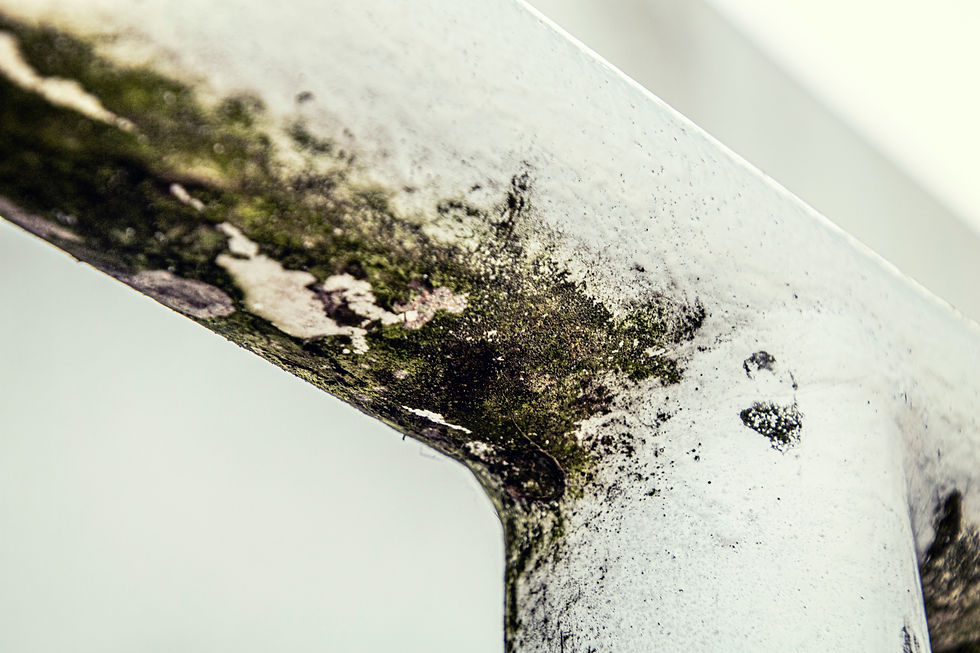
Achieving Permanent Mould Removal

Mould is more than just an unsightly nuisance - It can damage your property and pose serious health risks. If you’ve ever dealt with mould, you know how frustrating it can be to get rid of it, only to see it return weeks later. That’s why I want to share practical, effective strategies for permanent mould removal methods that really work. These tips will help you protect your home or workplace from mould for good.

Understanding Mould
Before diving into solutions, it’s important to understand what permanent mould removal means. Many people think spraying mould is enough, but the problem lies below the surface (literally). Permanent removal means:
Eliminating the source of moisture that mould needs to grow.
Removing mould from the roots (hyphae). This may involve removing the material it's grown from.
Preventing future mould growth by controlling humidity and ventilation.
You need a thorough approach that addresses the mould's full removal and preventing growth.
Why Moisture Control is Key
Mould thrives in damp environments. Leaks, condensation, poor ventilation, and flooding create the perfect conditions for mould growth. Fixing these issues is the first step in any permanent mould removal. Our rule of thumb is ‘No Water, No Mould’.
Identifying Hidden Mould
Mould often hides behind walls, under carpets, or inside air conditioning units. A surface clean won’t reach these spots. Professional mould assessment and air quality testing can uncover hidden mould and prevent it from spreading to other areas of your home.

How to Permanently Get Rid of Mould in a House?
If you want to know how to get rid of mould permanently, you need a clear, step-by-step plan. Here’s what I recommend:
1. Inspect and Assess
Start by inspecting your property thoroughly. Look for:
Water stains or discoloration on walls, flooring and ceilings.
Musty smells.
Visible mould patches.
Signs of leaks or condensation.
Bubbling to walls
If you suspect hidden mould, consider hiring a professional for a detailed assessment.
2. Fix Moisture Problems
Address any leaks in plumbing, roofs, or windows immediately. Improve ventilation in bathrooms, kitchens, and laundry areas. Use dehumidifiers if necessary to keep indoor humidity below 60%.
3. Remove Mould Safely
Wear protective gear like gloves, masks, and goggles. For small areas, scrub mould with detergent and water or a specialised mould cleaner. Avoid bleach as it will only bleach the mould patch.
If staining remains after cleaning - consider engaging a professional. When staining remains, it's a clear indication that the roots (hyphae) have penetrated the surface and will likely need removal. If not removed, chances of mould regrowing are high.
For larger infestations, professional mould remediation is the safest and most effective option. They use specialised equipment and techniques to remove mould completely and keep your home safe.
4. Dry and Repair
After cleaning, dry the area thoroughly. Repair or replace damaged materials like drywall or insulation. Moisture-damaged materials can harbour mould spores even after cleaning.
5. Prevent Future Growth
Maintain good airflow and keep humidity low. Regularly check for leaks and fix them promptly.

Practical Tips for Long-Term Mould Prevention
Permanent mould removal is not just about cleaning - It’s about creating an environment where mould cannot thrive. Here are some practical tips:
Use exhaust fans in bathrooms and kitchens.
Keep gutters clean to prevent water ingress.
Ensure proper drainage around your property.
Avoid carpeting in damp areas like basements.
Open windows to allow air flow.
Regularly inspect and maintain your home to catch issues early.
When to Call the Experts
Sometimes, mould problems are too big or complex to handle alone. If you notice:
Extensive mould covering more than 1 square metre.
Mould inside walls, ceilings or HVAC systems.
Persistent mould despite cleaning efforts.
It’s time to call professional mould remediators. They have the tools and expertise to ensure mould is removed safely and permanently.

Protecting Your Health and Property
Mould can cause allergies, respiratory problems, and other health issues. It can also weaken building materials, leading to costly repairs. Taking mould seriously and acting quickly protects both your health and your investment.
By following these permanent mould removal methods, you can create a safer, healthier environment for you and your home.

Taking Action Today for a Mould-Free Tomorrow
Mould doesn’t have to be a constant worry. With the right knowledge and steps, you can achieve permanent mould removal and enjoy a clean, healthy space.
Your home or workplace deserves the best care. By committing to these methods, you’re protecting your health and your property for years to come.