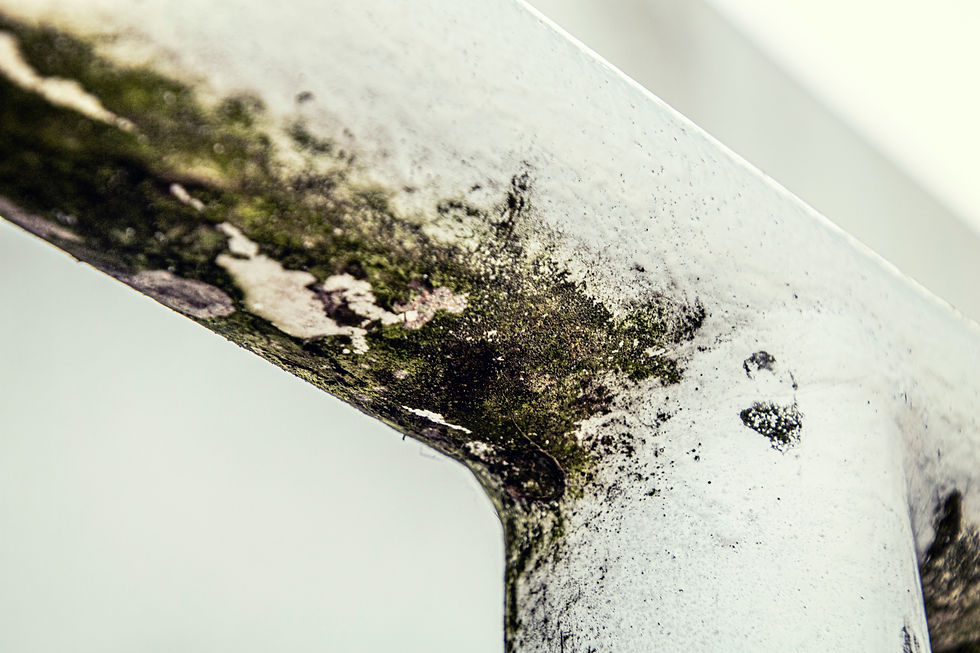
Stop Using Bleach - Discover How It Can Worsen Your Mould Problem

Mould is a common household problem that many people try to tackle with bleach. It seems like a quick fix: bleach kills mould on contact, right? Unfortunately, this popular solution often backfires, especially on porous surfaces like wood, gyprock or fabric. Instead of eliminating mould for good, bleach can actually encourage it to come back stronger. Understanding why this happens can save you time, money and frustration.

Why Bleach Feels Like the Perfect Solution
Bleach is a powerful disinfectant and stain remover. When you see black or green mould patches, spraying bleach often makes them disappear quickly. This immediate visual effect convinces many people that the problem is solved. Bleach kills the surface mould cells and lightens the stains, giving a clean look.
However, bleach is mostly water—about 90% or more depending on the solution. This water content plays a crucial role in mould regrowth. While bleach kills mould on the surface, it does not penetrate deeply into porous materials. The water in bleach soaks into these materials, creating a damp environment that mould loves.
This is why after cleaning with bleach, the mould usually reappears (often worse) in a few days or weeks.

How Mould Grows on Porous Surfaces
Mould spores are everywhere in the air. They only need moisture, organic material, and the right temperature to grow. Porous surfaces like wood, gyprock and fabric provide plenty of tiny spaces for spores to settle and feed.
When you apply bleach to these surfaces:
The bleach kills mould cells on the surface but does not reach spores deep inside.
The water in bleach soaks into the pores, increasing moisture levels.
Moisture trapped inside the material creates an ideal environment for dormant spores to activate.
Mould regrows from inside the material, often faster and more aggressively than before.
This cycle repeats every time bleach is used, making the mould problem worse over time.

Why Bleach Does Not Kill All Mould
Bleach is typically effective at killing mould on non-porous surfaces like tiles, glass or metal because it stays on the surface and does not soak in. On porous surfaces, bleach cannot reach mould roots embedded deep inside. These roots, called hyphae, remain alive and continue to grow.
Additionally, bleach breaks down into salt and water after reacting with organic material. The salt residue can feed mould spores, encouraging regrowth. This means bleach can unintentionally provide nutrients for mould.
Better Alternatives to Bleach for Mould Removal
To truly solve mould problems on porous surfaces, you need products and methods that:
Penetrate deeply to kill mould roots
Remove moisture or prevent it from accumulating
Avoid leaving residues that feed mould
Here are some effective alternatives when mould is on the surface of a material:
Use Vinegar or Hydrogen Peroxide
Both vinegar and hydrogen peroxide kill mould spores and penetrate porous materials better than bleach. Vinegar is mildly acidic, disrupting mould growth. Hydrogen peroxide releases oxygen that breaks down mould cells.
Spray undiluted vinegar or 3% hydrogen peroxide on affected areas, let sit for 10-15 minutes, then scrub and dry thoroughly.
Apply Baking Soda
Baking soda absorbs moisture and neutralizes mould odours. Mix baking soda with water to form a paste, apply to mouldy spots, scrub, and rinse. Baking soda also helps prevent mould from returning.
Improve Ventilation and Reduce Humidity
Mould thrives in damp, poorly ventilated spaces. Use dehumidifiers, exhaust fans, or open windows to keep air dry. Fix leaks and insulate cold surfaces to prevent condensation.
Use Commercial Mould Removers Designed for Porous Surfaces
Some products contain fungicides that penetrate deeply and kill mould roots. Always follow label instructions and test on a small area first.

Practical Steps to Prevent Mould Regrowth
Though the above methods seem easy enough - stopping mould requires more than just cleaning. Follow these steps:
Dry the area completely after cleaning mould. Use fans or heaters if needed.
Fix water leaks promptly to prevent moisture build-up.
Keep indoor humidity below 60% using dehumidifiers or air conditioners.
Regularly inspect areas prone to mould, such as bathrooms, basements, and behind appliances.
Use mould-resistant paints and materials in high-risk areas.
In some cases where the hyphae of the mould has penetrated deeply into the porous material, the material needs to be removed and replaced. If not, the mould will never be completely removed and runs the risk of regrowing when in contact with moisture and humidity.

When to Call Professionals
If mould covers a large area (more than 10 square feet), or if it returns despite your efforts, consider hiring a mould remediation specialist. Professionals have tools and expertise to remove mould safely and prevent cross contamination.
Mould is a persistent problem that bleach cannot solve on porous surfaces. The water in bleach soaks into materials, feeding mould spores hidden deep inside. Instead of relying on bleach, use vinegar, hydrogen peroxide, baking soda, and moisture control to tackle mould effectively. Drying surfaces thoroughly and improving ventilation are key to preventing regrowth. When mould persists, professional intervention is the safest option.